
Brave Frontier Legion Raid Battle Guide: Co-Op Bosses
Learn how Brave Frontier Legion raid battles work, including boss sharing, combo window damage scaling, elemental counters, and Level Slot prep.
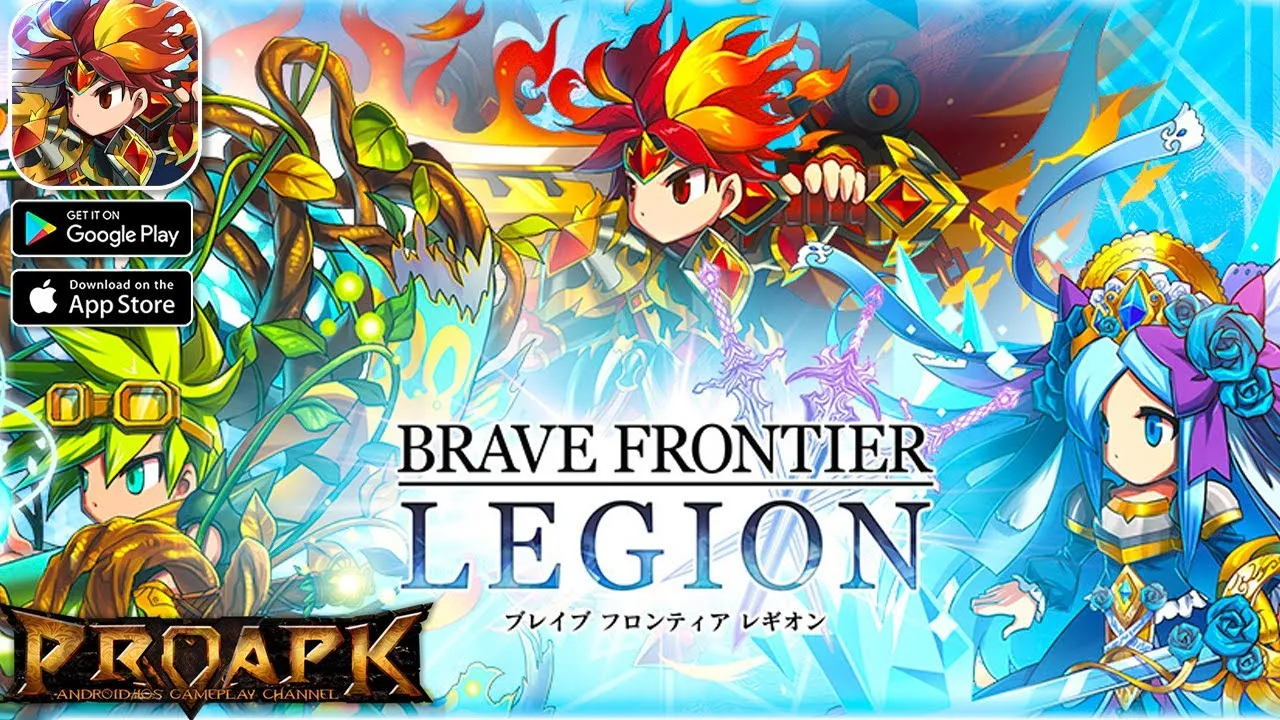
Cooperative raid battles in Brave Frontier Legion pit your guild against a high-HP raid boss rather than a rival player team. Spotting a boss alone does not share the fight—you must attack a discovered boss at least once to open it to your Legion, then chain guildmates’ follow-up strikes inside the combo window to boost damage.
As of 2026-11-28, following the November 27, 2026 global launch on the App Store and Google Play, GrandSoft’s official Beginner’s Guide confirms boss-sharing rules, combo damage scaling, eight-element matchups, and Level Slots. Exact boss spawn rates, HP scaling curves, and damage-ranking drop tables remain unpublished on bf-legion.jp.
How Co-Op Raid Battles Unlock and Work
Solo Summoners can clear main quests and train units on their own, but entering a Brave Frontier Legion co-op raid requires guild membership. Built and operated by GrandSoft as a standalone title—see how Brave Frontier Legion compares to the original game—the game locks both cooperative boss fights and competitive matches behind joining a Legion.
New players unlock raid encounters through four early progression steps:
- Finish the tutorial: Clear the opening quests to learn basic combat and unlock game menus.
- Complete beginner missions: Claim starter mission rewards to recruit extra units and raise squad power.
- Join a Legion: Team up with active Summoners to access shared raid bosses and team PvP.
- Discover and attack bosses: Advance through quests while upgrading units; when a raid boss appears, attack it once so the encounter opens to your entire Legion.
Players often confuse cooperative boss hunts with scheduled guild PvP. While our 10v10 Legion Battle Guide covers core defense and morale tactics, raids are strictly cooperative PvE fights. As your guild runs daily content and checks rewards in the Legion Points Shop, compare the two Legion modes below:
| Feature | Raid Battles (Co-Op PvE) | Legion Battles (10v10 PvP) |
|---|---|---|
| Format | Legion members vs. one high-HP boss | Two Legions (up to 10 vs. 10 players) |
| Entry Rule | Attack a discovered boss to share it | Join at the scheduled in-game start time |
| Objective | Deplete the boss’s HP together | Reduce enemy core HP to zero and defend yours |
| Team Scaling | Follow-up hits in the combo window boost damage | Morale control, defender support, and chat roles |
| Server Clock | Shared server on JST (UTC+9) | Shared server on JST (UTC+9) |
Combo Window Scaling and JST Raid Coordination
Once the discoverer strikes a Brave Frontier Legion raid boss, group damage revolves around the combo window. GrandSoft’s official combat overview confirms that when teammates land follow-up attacks within that window, their strikes build a combo chain and increase raid damage.
As of 2026-11-28, GrandSoft has not disclosed the exact combo timer in seconds, per-hit multiplier caps, or whether personal damage totals affect drop rates. Practically, scattering solo attacks across quiet hours forfeits combo scaling, whereas grouping several online guildmates to strike in rapid succession cuts through high-HP bosses far more efficiently.
Because global Summoners share one server with the Japanese edition (launched July 22, 2025), all server schedules run on Japan Standard Time (JST, UTC+9). Tagging newly discovered bosses right before or after your guild gathers for matches on the Legion Battle Schedule ensures teammates are already online to extend your combo chain.
Signal incoming boss shares with in-game Legion chat and stamps, or rally attackers via the Brave Frontier Legion Discord community before landing your opening hit. Although the global client supports 10 languages, notices appear only in Japanese and English and some UI graphics stay English-only; check our guide on changing the language to English if your menus load in another locale.
Common Raid Pitfalls
- Leaving discovered bosses unattacked: Spotting a boss does not share it; you must attack once to broadcast it to guildmates.
- Opening bosses while guildmates sleep: Starting an encounter alone wastes the combo window and leaves you hitting at unboosted damage.
- Ignoring UTC+9 time conversion: Convert JST server timestamps to your local clock before scheduling coordinated guild boss runs.

BRAVE FRONTIER LEGION Gameplay Android / iOS (Official Launch)
Eight-Element Matchups for Raid Boss Formations
Checking the boss’s element before attacking is the fastest way to amplify combo damage. Every unit in Brave Frontier Legion carries one of eight elements: Fire, Water, Earth, Thunder, Light, Dark, Phantom, or Overlord. Matchups directly modify damage dealt, so counter-element formations hit noticeably harder during guild combo bursts.
| Attacking Element | Strong Against | Weak Against | Raid Squad Role |
|---|---|---|---|
| Fire | Earth | Water | Counter DPS for Earth bosses |
| Earth | Thunder | Fire | Counter DPS for Thunder bosses |
| Thunder | Water | Earth | Counter DPS for Water bosses |
| Water | Fire | Thunder | Counter DPS for Fire bosses |
| Light | Dark | Dark (mutual) | High-damage trade against Dark bosses |
| Dark | Light | Light (mutual) | High-damage trade against Light bosses |
| Phantom | None (neutral vs. six core) | None (neutral vs. six core) | Consistent neutral DPS with no penalty |
| Overlord | All other elements | None listed | Universal DPS against any boss element |
Two elements stand outside the standard elemental wheel and mutual Light/Dark matchup. Overlord units hold type advantage against every other element, making them top-priority raid attackers against any boss. Phantom units have neither advantage nor disadvantage against Fire, Water, Earth, Thunder, Light, and Dark, serving as dependable neutral fillers when you lack a direct counter.
Upgrading Squads with Level Slots, Evolution, and Combinations
If your squad struggles to dent a powerful raid boss despite matching its elemental weakness, GrandSoft recommends auditing three unit-development systems:
Level Slots for Zero-Grind Element Swaps
Rather than leveling each unit individually from level 1, you upgrade Level Slots in your formation. Any unit assigned to a slot automatically inherits that slot’s level. When a specific elemental raid boss appears, you can drop newly summoned counter-element units straight into leveled slots without farming extra experience first.
Duplicate Evolution for Stat and Skill Gains
Duplicate copies of units fuel Evolution, boosting base stats and upgrading unit skills at specific stages. Focus early evolutions on Overlord carries and core elemental attackers so every strike inside your Legion’s combo window scales off higher base attack and stronger skill effects.
Unit Combinations for Roster Bonuses
Collecting specific sets of units unlocks Combinations. Reviewing your unlocked and near-complete Combinations alongside Level Slots and Evolutions provides passive account-wide power before pushing into tougher cooperative boss tiers.
FAQ
What Is the Difference Between Raid Battles and Legion Battles?
Raid battles are cooperative PvE boss fights where guildmates work together to defeat one high-HP enemy and chain follow-up attacks inside a combo window. Legion Battles are competitive 10-versus-10 matches between two Legions competing to reduce the opposing guild’s core HP to zero while protecting their own.
Can You Fight Raid Bosses Solo Without Joining a Legion?
No. Solo Summoners can progress through main quests and upgrade units via Level Slots, Evolution, and Combinations, but you must join a Legion to enter cooperative raid battles and 10v10 Legion Battles.
Do Global and Japanese Players Share the Same Raid Server?
Yes. The global and Japanese editions share one server running on Japan Standard Time (JST, UTC+9), so guildmates should convert JST schedules to their local time zone before coordinating raid boss attacks.
Related Articles
guides
Brave Frontier Legion Combinations & Unit Synergy Guide
How Combinations work in Brave Frontier Legion: unlock passive unit links through roster ownership, pair them with Level Slots, and prep squads.
guides
Brave Frontier Legion Beginner Guide: Level Slots & 10v10
Start Brave Frontier Legion the right way: upgrade Level Slots, build 8-element teams, join a 10v10 Legion, and track JST server times.
progression
Brave Frontier Legion Spheres & SP Progression Guide
Are Spheres or SP builds in Brave Frontier Legion? See what is confirmed at launch and how Level Slots, Evolution, and Combinations upgrade units.
Was this helpful?
Thanks for the feedback!